What to Do in the First 24 Hours After Water Damage Hits Your Carpet
Act Fast to Protect Your Floors and Your Health
When water invades your home - whether from a burst pipe, a flooded basement, or a storm - every hour counts. Carpeting acts like a sponge, trapping moisture deep in the fibers and the padding underneath. Within hours, that damp environment becomes the perfect breeding ground for mold, bacteria, and musty odors. The first 24 hours are critical for limiting damage, preventing mold growth, and keeping restoration costs manageable. This checklist walks you through the priority actions to take, so you stay ahead of the moisture instead of playing catch-up.
1. Stop the Water Source and Assess Safety
Before you touch anything, make sure the water supply is turned off if the leak came from a pipe or appliance. If flooding comes from outside, wait until it is safe to enter. Standing water near electrical outlets or appliances is a shock hazard. Turn off power to affected rooms at the breaker panel if you can reach it without stepping into water. Wear rubber boots and gloves. Once the area is safe, note the extent and type of water involved. Clean water from a burst supply line is easier to handle than gray water from a washing machine overflow or black water from a sewage backup. The source determines whether the carpet can be saved or must be removed entirely.
2. Extract Standing Water Immediately
Time is not on your side. Use a wet-dry vacuum or a pump to remove as much standing water as possible from the carpet. Work from the farthest corner toward the exit so you do not walk clean water back over wet areas. If you do not own a wet vac, rent one from a local tool shop. Do not use a regular vacuum cleaner - it will be ruined and can spread moisture. After the bulk water is gone, press absorbent towels or mops into the carpet to lift remaining moisture. Change them often. Every drop you remove now reduces the load on the drying process later.
3. Lift Furniture and Roll Back the Carpet
Heavy furniture sitting on wet carpet traps moisture underneath and causes staining. Move pieces to a dry area or set them on blocks or aluminum foil squares to protect legs. If possible, gently pull the carpet back from the tack strips at the edges. This allows air to reach the padding and subfloor. Do not yank or tear the carpet - you want to keep it intact for potential restoration. If the padding is soaked and the water is contaminated, you may need to cut the carpet and discard the padding. For clean water, professional drying may save both layers. Carpet Mold Removal Services Pros can evaluate the condition of your padding and subfloor during an inspection.
4. Begin Drying and Ventilation
Moisture trapped under the carpet is what feeds mold. Open windows and doors to create cross-ventilation. Set up fans pointing toward the wet area, not directly at one spot. Position them to draw moist air out and pull dry air in. Dehumidifiers are essential in humid climates - they pull water vapor from the air and speed up drying dramatically. If the weather is dry, let nature help. Avoid using heating devices like space heaters directly on the carpet; they can dry the surface too fast while leaving the padding wet, or worse, cause the carpet to shrink or delaminate. Consistent airflow over a period of days is better than intense heat.
5. Check for Hidden Moisture in the Subfloor
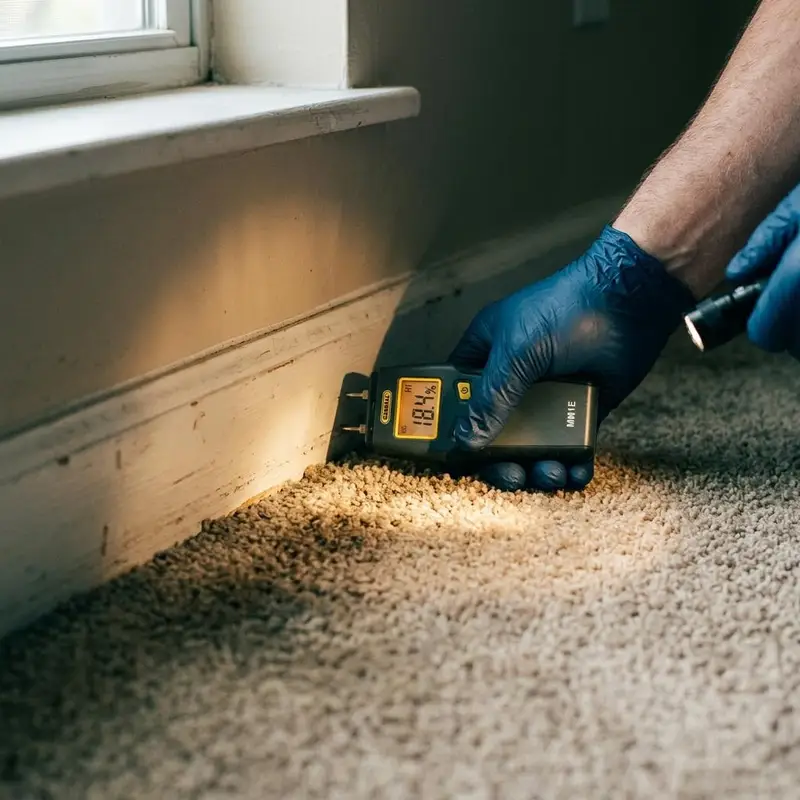
Water seeps through carpet and padding into the subfloor, especially if it sits for more than a few hours. Wood subfloors, particleboard, and concrete can all hold moisture that continues to feed mold even after the carpet feels dry on top. Use a moisture meter if you have one, or press a dry paper towel against the subfloor and see if it comes away damp. If the subfloor stays wet beyond 48 hours, mold will likely start growing underneath. At that point, structural drying services from a professional restoration company become necessary. These services use industrial air movers, desiccant dehumidifiers, and targeted heat to dry structural materials deep inside walls and floors. Carpet Mold Removal Services Pros offers this kind of drying to prevent rot and mold from taking hold in the building structure itself.
6. Treat Surface Mold Spots
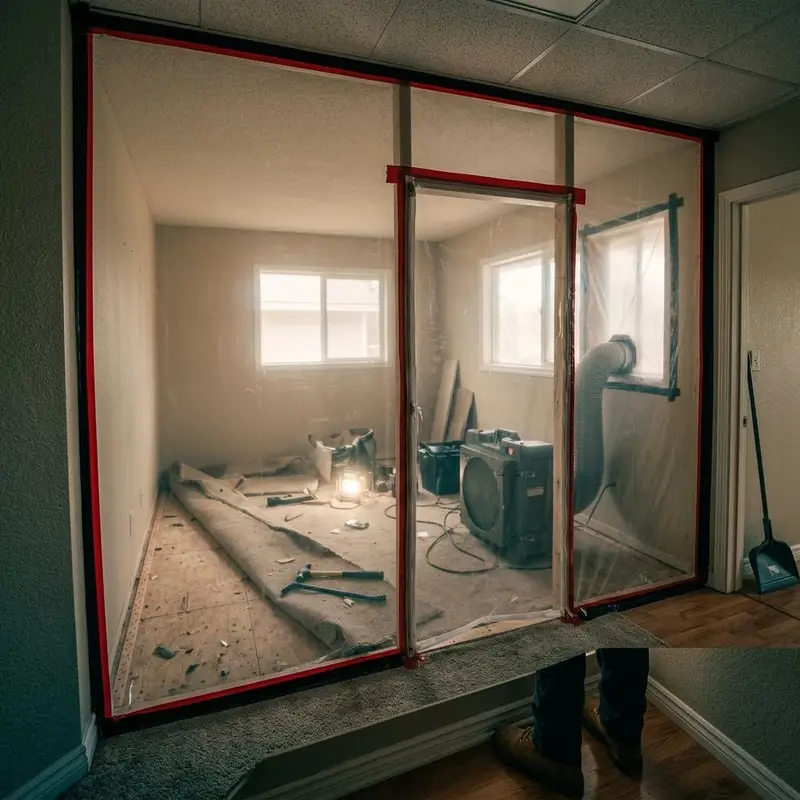
If you see small spots of mold starting on the carpet surface within the first 24 hours, you may be able to clean them with a mild detergent and water, or a vinegar solution. Do not scrub aggressively - that can push spores deeper into the fibers. Blot the area gently. For larger areas or black mold, do not attempt removal yourself. Disturbing mold spores sends them into the air where they can cause respiratory issues. Professional mold remediation uses HEPA vacuums, containment barriers, and antimicrobial treatments to safely remove contamination. That is where an expert team like carpetmoldremovalservices.com comes in. They handle the identification of moisture sources, removal of contaminated materials, and drying of structures to restore indoor air quality.
7. Document Everything for Insurance
Take photos and videos of the damage before you move anything or start cleaning. Include wide shots of the room and close-ups of the water line, soaked carpet, and any visible mold. Keep receipts for any equipment you rent or supplies you buy. Write down the time the water event started and when you began drying. Insurance adjusters often ask for this timeline. A clear record helps your claim and shows that you acted promptly to mitigate damage. Do not throw away damaged carpet or padding until the adjuster has seen it, unless it is a health hazard.
8. Know When to Call Professionals
If the water covers a large area, if it came from a contaminated source, or if you suspect moisture has reached the subfloor or walls, it is time to bring in experts. The first 24 hours are your window to prevent mold, but after that, the job shifts from simple drying to mold remediation and structural drying. A professional service can assess the full extent of the moisture, test for mold spores, and set up industrial drying equipment that homeowners cannot rent. They also handle the disposal of contaminated materials safely. Carpet Mold Removal Services Pros provides these services, focusing on identifying moisture, removing damaged materials, and drying structures to prevent secondary damage. They treat the carpet and the building envelope as one system.
9. Monitor for Lingering Odors
Even after the carpet feels dry, a musty smell indicates that moisture is still present in the padding, subfloor, or baseboards. Do not replace furniture or seal the room until the smell is gone. If odors persist after a week, mold is likely growing somewhere hidden. At that point, the carpet or padding may need to be removed and the subfloor treated. Odors are your nose telling you that the drying process is not complete. Trust that signal and keep fans running until the room smells clean and dry.
10. Prevent Future Water Damage
Once the immediate crisis is handled, look at what caused the water intrusion. Fix leaky pipes, seal cracks in the foundation, and ensure gutters and downspouts direct water away from the house. Consider installing a sump pump or water alarm in basements. If you live in a flood-prone area, using washable area rugs instead of wall-to-wall carpet can make future cleanups easier. Prevention is the most cost-effective strategy, but if water does find its way in again, you will have this checklist ready.
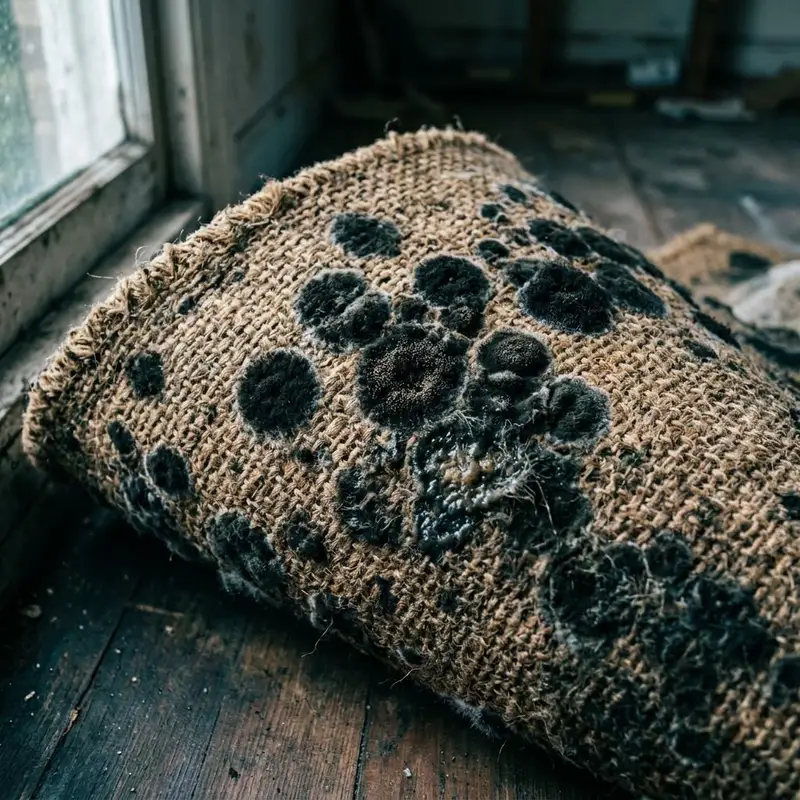
Acting fast in the first 24 hours can mean the difference between a simple drying job and a full-scale mold remediation project. Focus on removing water, improving airflow, and checking for hidden moisture. When the situation exceeds what household tools can handle, professional structural drying services are the right next step. Carpet Mold Removal Services Pros can help you assess the damage and get your home back to a safe, dry condition. The key is to start now, not later.